
Healthy Flying Habits: How to Travel Better, Feel Better, and Arrive Refreshed
If flying always leaves you feeling drained, this one is for you. From hydration and skincare to sleep and circulation, these small in flight habits can make a big difference in how you feel when you land.
TRAVELFLIGHT TIPSTRAVEL WELLNESSHEALTHY TRAVEL HABITS
1/24/2026
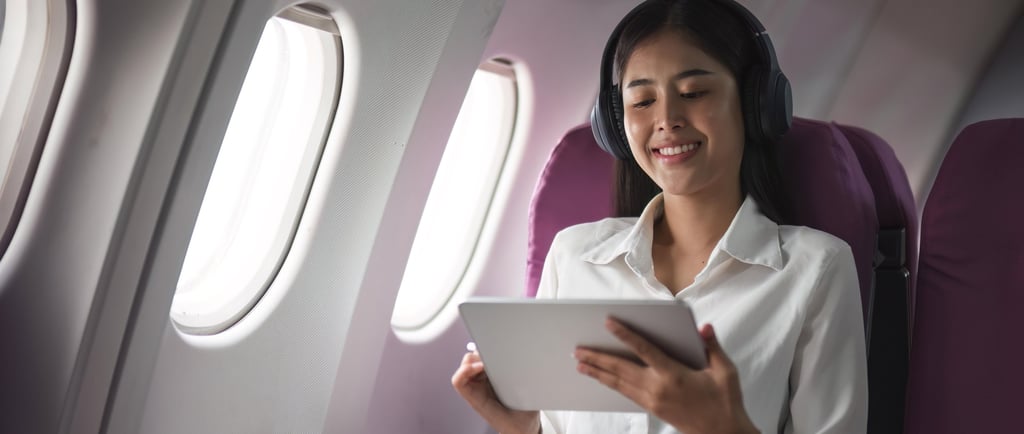
Can you believe we are already one week away from February? And if you’re anything like me, you’ve officially retired the idea of completely reinventing your life every January. Instead of chasing unrealistic resolutions, I’ve started focusing on small, realistic habits that actually fit into the life I’m already living. The kind of changes that don’t feel overwhelming, but still make a real difference.
That mindset applies to travel too. You don’t need a full wellness routine to feel better when you fly. A few simple habits can completely change how you feel when you land. Here are some easy, realistic flying tips to help you arrive at your destination feeling refreshed, energized, and ready to enjoy your trip.
And if you don’t have your next adventure on the calendar yet, you already know what to do. Let’s start planning!
Hydration
Flying is dehydrating, period. The dry cabin air pulls moisture from your body faster than you realize. Start increasing your water intake at least one day before your flight, and sip consistently during travel.
Aim for cool or room temperature water since it absorbs more efficiently in the body. For long flights, bring an electrolyte packet to help maintain hydration levels and energy.
Skin Health
Moisturize, and then moisturize again. Airplane cabins accelerate transepidermal water loss, which is the natural evaporation of moisture from your skin. That recycled air dries you out fast.
Use richer creams and occlusive moisturizers before boarding to lock in hydration.
This part might be controversial, but skip mid-flight skincare routines. Sheet masks and in-flight facials may feel relaxing, but they disrupt your skin barrier and introduce bacteria. Your hands are never truly clean on a plane, so the best skincare move is to protect your skin before the flight and avoid touching your face.
Sunscreen
Yes, even on a plane. UV rays are stronger at higher altitudes due to thinner atmospheric protection. This matters whether or not you have a window seat.
Always pack sunscreen with SPF 30 or higher. This applies to every season and every destination. Even if you are not spending time outdoors, sunscreen protects your skin from prolonged exposure to blue light from screens like seatback TVs and devices.
Movement and Circulation
Sitting for long periods slows circulation and causes stiffness. Simple movements make a big difference.
Do ankle circles, light stretches, and short walks down the aisle when possible. Even seated movement helps improve blood flow and reduces fatigue.
For longer flights, compression socks are a must. They support circulation, reduce swelling, and help prevent leg discomfort, especially on long-haul routes.
Sleep and Jet Lag Support
Start adjusting to your destination’s time zone a few days before travel if possible. Shift your meals and bedtime gradually to reduce jet lag.
If you cannot adjust in advance, start on the flight. Sleep or stay awake based on the time at your destination.
Pack a comfortable eye mask, earplugs or noise-canceling headphones, and choose a window seat if rest is a priority. Avoid caffeine two hours before takeoff and limit alcohol, since both disrupt sleep and increase dehydration.
Eat Better, Not Less
Flying impacts digestion due to cabin pressure, vibration, and nervous system stimulation. This can cause bloating, nausea, and discomfort.
Choose nourishing snacks that travel well like nuts, fruit, protein bars, wraps, and hydrating foods. Avoid heavy meals, alcohol, and carbonated drinks. Skipping food entirely can leave you drained when you land and worsen jet lag.
Immune Support and Travel Calm
Airports and airplanes challenge both your immunity and your nervous system. Prioritize sleep before travel, consider vitamin C or zinc, and wash your hands often.
Calming music, breathing exercises, and grounding techniques before takeoff help regulate stress and set the tone for your trip. Travel feels better when your body and mind are both supported.
Traveling well is not about perfection. It is about making smarter, healthier choices that actually fit your lifestyle. Small habits create better travel experiences. And if you are ready to plan your next trip, I’ve got you. Let’s make it easy, stress-free, and aligned with the way you actually want to travel.
Start planning with Espe Travels today.